
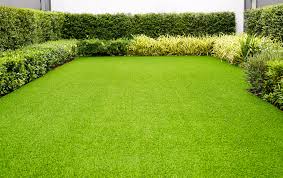
Artificial turf has become a popular choice for residential lawns, sports facilities, playgrounds, and commercial landscapes. Its low-water usage and consistent appearance make it appealing across different environments. However, statistics from facility maintenance reports show that artificial turf cleaning accumulate debris, bacteria, and fine particles faster than many users expect. Without regular cleaning, these surfaces can lose both their visual appeal and functional safety.
Artificial turf cleaning is not only about appearance. It directly impacts hygiene, surface performance, and user comfort. Clean turf contributes to healthier outdoor spaces, especially in areas with high foot traffic or frequent activity.
How Does Dirt and Debris Accumulate on Artificial Turf Over Time?
Despite being synthetic, artificial turf is constantly exposed to natural elements. Dust, leaves, pollen, pet waste, and airborne particles settle into the turf fibers and infill layers.
Environmental data indicates that outdoor surfaces can collect measurable levels of fine debris within weeks. Over time, this buildup compacts the infill material, reducing drainage efficiency and increasing surface hardness. Regular cleaning interrupts this cycle and helps maintain the original structure of the turf.
What Do Statistics Reveal About Hygiene on Artificial Turf Surfaces?
Hygiene studies comparing cleaned and uncleaned artificial turf surfaces highlight a significant difference in microbial presence. High-traffic turf areas that are not cleaned regularly show higher levels of bacteria and allergens.
Cleaning frequency data suggests that consistent maintenance can reduce surface contaminants by a substantial margin. This is especially important for spaces used by children, athletes, and pets, where direct contact with the surface is frequent.
Why Is Artificial Turf Cleaning Important for Safety?
Safety is a critical factor for any outdoor surface. Compacted infill and hidden debris can affect traction and shock absorption.
In sports and recreational settings, surface testing data shows that poorly maintained turf increases the risk of slips and uneven footing. Cleaning helps restore fiber uprightness and ensures the infill remains evenly distributed, contributing to a safer playing or walking surface.
How Does Artificial Turf Cleaning Improve Surface Performance?
Performance metrics for artificial turf focus on drainage, resilience, and consistency. When turf is clean, water flows efficiently through the surface, reducing puddling and downtime after rainfall.
Data from maintenance evaluations indicates that cleaned turf surfaces retain their performance characteristics longer than neglected ones. Proper cleaning supports elasticity, helping the turf absorb impact and maintain comfort underfoot.
What Are the Common Contaminants Found in Artificial Turf?
Artificial turf can trap a wide range of contaminants, including:
- Organic debris such as leaves and grass clippings
- Fine dust and airborne pollutants
- Pet waste residues
- Food particles in recreational areas
Studies show that these contaminants settle deep into the infill layer if not removed regularly. Cleaning targets both surface-level debris and embedded particles to restore overall cleanliness.
How Often Should Artificial Turf Be Cleaned Based on Usage Data?
Cleaning frequency depends heavily on how the turf is used. Usage-based maintenance statistics provide useful benchmarks:
- Low-traffic residential turf may require periodic cleaning
- High-traffic commercial or sports turf benefits from scheduled cleaning routines
- Pet areas require more frequent attention due to hygiene concerns
Maintenance records indicate that proactive cleaning reduces long-term repair costs and extends turf lifespan.
Why Does Artificial Turf Require Specialized Cleaning Methods?
Unlike natural grass, artificial turf does not regenerate. Improper cleaning methods can damage fibers, displace infill, or reduce surface integrity.
Cleaning data emphasizes the importance of using techniques designed specifically for synthetic surfaces. These methods lift debris, sanitize fibers, and redistribute infill without causing wear or distortion.
How Does Cleaning Help Maintain Visual Appeal?
Appearance plays a key role in the perceived quality of outdoor spaces. Over time, unclean turf can appear dull, flattened, or discolored.
Visual assessment studies show that cleaned turf maintains brighter color tones and upright fibers. This not only improves aesthetics but also reflects positively on property value and user satisfaction.
What Role Does Infill Maintenance Play in Artificial Turf Cleaning?
Infill material supports turf fibers and provides cushioning. When infill becomes compacted or contaminated, surface quality declines.
Data from turf performance tests indicates that cleaning helps loosen compacted infill and remove fine particles that block drainage. Proper infill maintenance ensures consistent surface behavior across the entire area.
How Does Artificial Turf Cleaning Support Pet-Friendly Spaces?
Pet usage is one of the fastest-growing applications for artificial turf. However, pet activity introduces additional hygiene challenges.
Research on pet-friendly turf areas shows that routine cleaning significantly reduces odors and bacteria associated with pet waste. Effective cleaning supports a fresher, more comfortable environment for both pets and owners.
What Environmental Benefits Are Linked to Artificial Turf Cleaning?
Clean artificial turf contributes to environmental efficiency. Properly maintained surfaces require fewer repairs and replacements, reducing material waste.
Environmental impact assessments suggest that extending turf lifespan through cleaning lowers long-term resource consumption. Additionally, clean turf promotes efficient drainage, minimizing runoff issues.
How Does Artificial Turf Cleaning Reduce Long-Term Maintenance Costs?
Maintenance cost analysis consistently shows that preventive care is more economical than reactive repairs. Cleaning addresses minor issues before they escalate.
Facilities that follow structured cleaning schedules report lower expenses related to infill replacement and surface restoration. This data highlights cleaning as an investment rather than an expense.
Why Is Drainage Performance a Key Indicator of Turf Health?
Drainage is essential for usability and safety. Blocked or slowed drainage can lead to standing water and surface degradation.
Testing data confirms that cleaned turf drains more effectively than neglected surfaces. Removing debris from the infill layer allows water to flow freely, maintaining playability even after heavy use or rainfall.
How Does Artificial Turf Cleaning Support High-Traffic Areas?
High-traffic areas experience faster wear due to constant pressure and movement. Without cleaning, fibers flatten and infill shifts unevenly.
Usage statistics show that regular cleaning redistributes infill and restores fiber orientation. This helps high-traffic zones maintain uniform performance and appearance over time.
What Are the Signs That Artificial Turf Needs Cleaning?
Data-driven inspections identify several common indicators:
- Visible debris accumulation
- Flattened or matted fibers
- Reduced drainage efficiency
- Persistent odors
Recognizing these signs early allows timely cleaning, preventing deeper issues.
How Does Cleaning Contribute to User Comfort?
Comfort is influenced by surface temperature, softness, and cleanliness. Dust and debris can increase surface heat and reduce cushioning.
Surface comfort studies indicate that cleaned turf feels cooler and more responsive underfoot. This improves overall user experience, especially in warm climates.
Why Is Artificial Turf Cleaning Important for Commercial Properties?
Commercial properties rely on appearance and safety to attract visitors. Clean outdoor spaces reflect professionalism and care.
Property management data shows that well-maintained turf areas enhance visitor perception and reduce liability risks. Cleaning supports consistent standards across commercial environments.
How Does Artificial Turf Cleaning Align with Modern Maintenance Standards?
Maintenance standards increasingly emphasize data-driven care and sustainability. Artificial turf cleaning aligns with these principles by preserving surface quality through targeted intervention.
Industry benchmarks demonstrate that regular cleaning meets safety, hygiene, and performance expectations more effectively than irregular maintenance.
Conclusion: Why Does Artificial Turf Cleaning Matter for Long-Term Surface Quality?
Artificial turf cleaning plays a crucial role in maintaining cleaner, safer outdoor surfaces. Statistical insights consistently show that cleaned turf performs better, lasts longer, and provides a healthier environment.
By addressing debris buildup, hygiene concerns, and surface performance, cleaning supports both safety and visual appeal. Whether for residential lawns, recreational areas, or commercial spaces, artificial turf cleaning remains a key factor in preserving long-term value and usability.
A cleaner turf surface is not just about looks—it is about safety, comfort, and confidence in every step taken outdoors.